Marketing predictions for 2025: what we got right (and what we didn’t)
Trends

Intro
Making predictions in marketing is a bit like reading horoscopes: everyone believes in them, no one really admits it.
At the end of every year, the industry fills up with reports, white papers, and keynotes promising to tell us what the future will look like. Then January arrives, the world doesn’t end, Google doesn’t die, AI doesn’t take full control, and we’re still here.
2025 was no exception.
Over the past two years we’ve read about imminent revolutions, channels destined to disappear, omnipotent algorithms, and brands that were supposed to turn into media companies, creators, communities, platforms — preferably all at once.
Now that 2025 is (almost) behind us, we can afford something rare in marketing: looking back with clarity.
In this article, we take an honest look at what really came true, what only partially materialized, and what was simply too good (or too scary) to be true.
Why did 2025 seem like a turning point?
Predictions about 2025 were so radical for one simple reason: they came after years of forced acceleration.
Pandemic, inflation, loss of trust in social media, privacy, generative AI. All at once.
The result? An industry in need of certainty, clinging to strong narratives:
“AI will replace marketers”
“Social will become the only channel that matters”
“Search is dead”
“Brands must take a stand on everything”
Spoiler: marketing doesn’t work like that.
And in fact, many of these predictions crashed into the operational reality of companies.
What really came true?
Artificial intelligence became a tool, not magic
Yes, AI is everywhere, but it didn’t replace anyone.
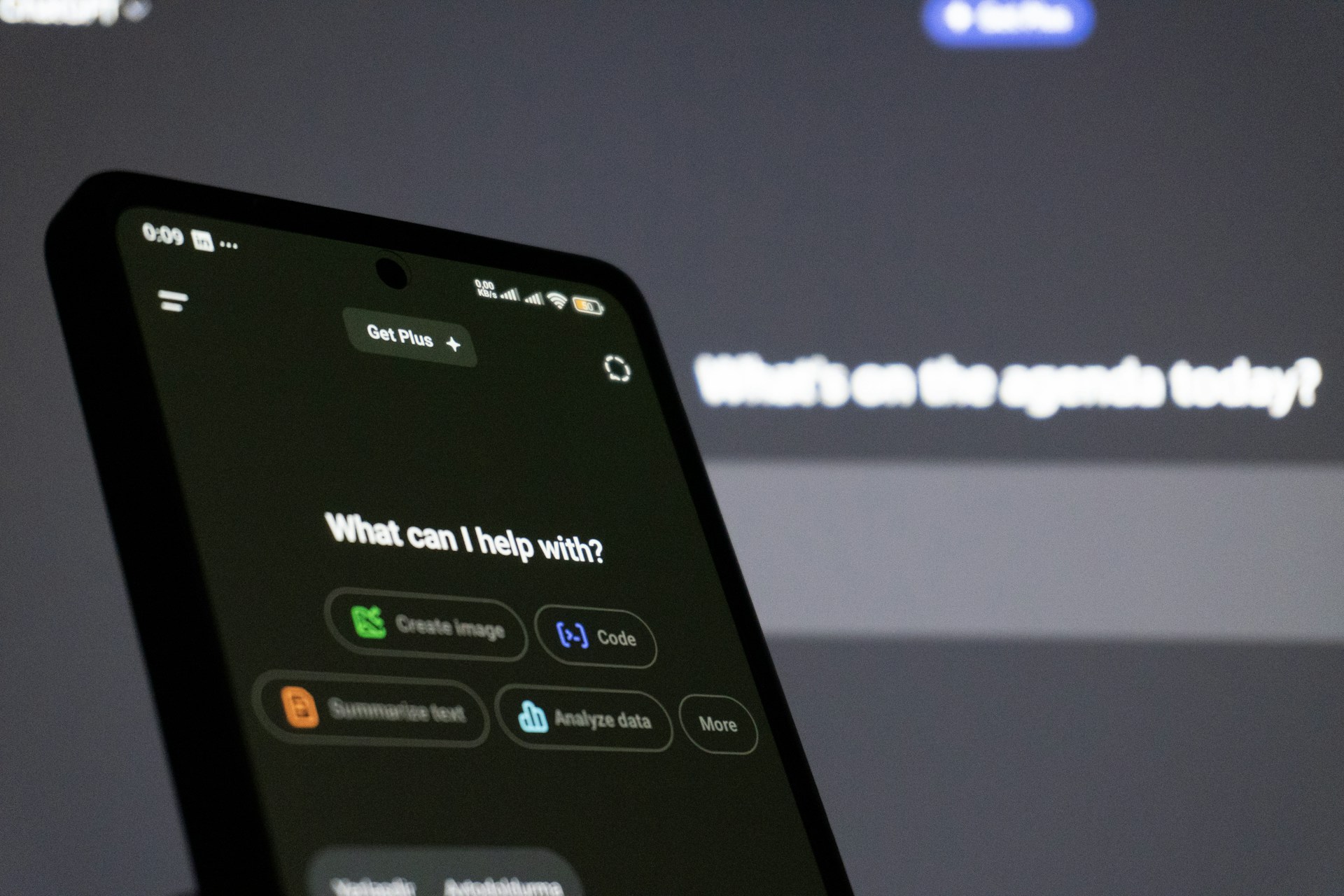
In 2025, artificial intelligence became a stable part of workflows: from copy generation to data analysis, from paid campaign support to content personalization.
What didn’t happen was “fully automated marketing.”
The companies that performed best were those that used AI as a skill amplifier, not as a shortcut. Those who hoped AI would decide everything for them just ended up producing more noise.
Short-form video still works (but not for everyone)
TikTok, Reels, and Shorts didn’t disappear. Quite the opposite.
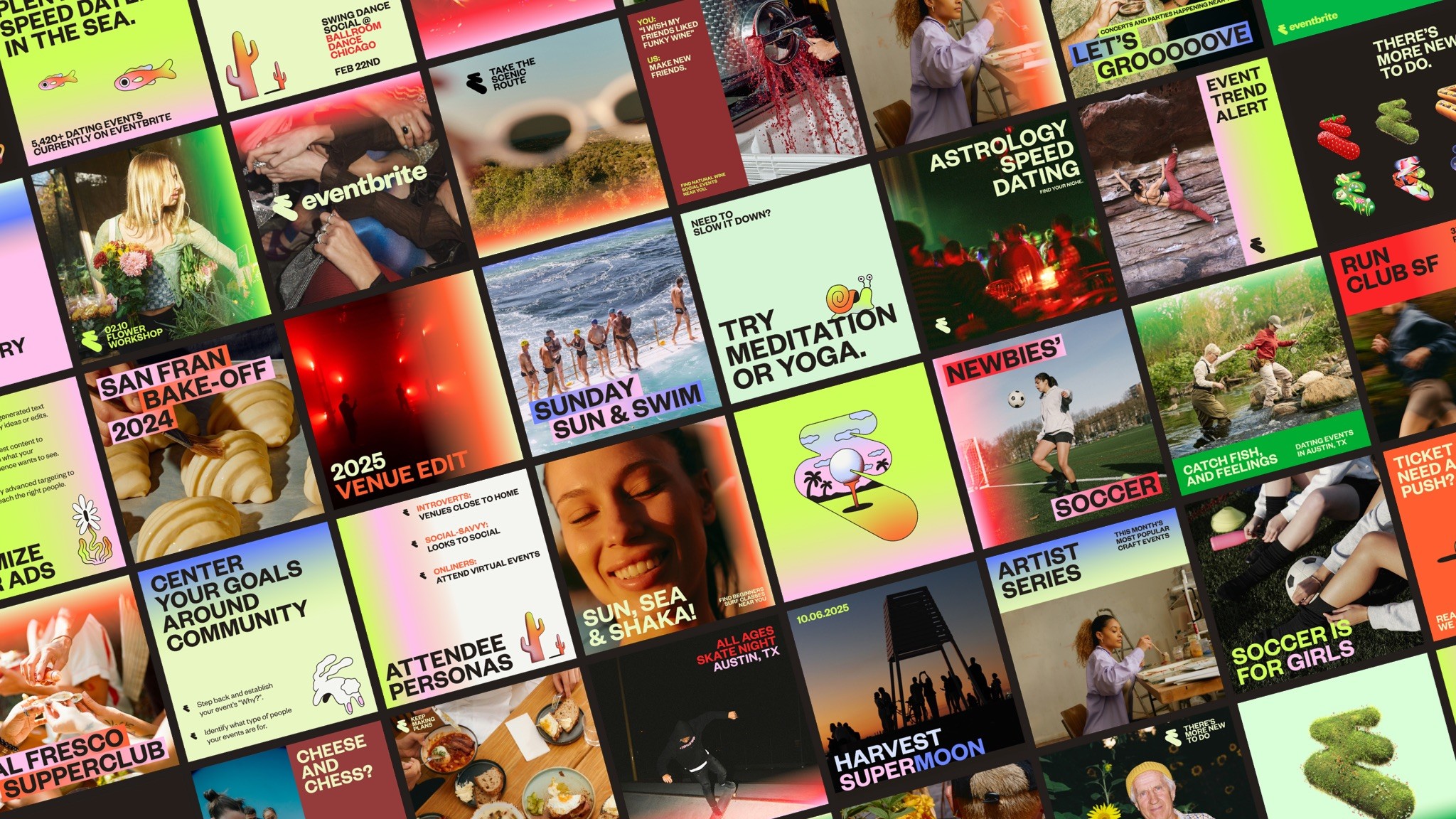
Short-form video remained one of the most effective formats in terms of attention and engagement.
What changed was brands’ attitude: less chasing trends, more native and coherent content, and greater attention to context and community.
In 2025, one fundamental thing became clear: it’s not the format that works, it’s the intention.
Short video works when it has something to say. Otherwise, it’s just another forgettable piece of content in the feed.
Social media became spaces for relationships, not just distribution
Another accurate prediction: the shift from social as broadcast channels to social as places for conversation.
Brands that invested in community, UGC, real interactions, comments, and messages as touchpoints built value over time.
Those who continued to use social platforms as advertising showcases disguised as content… not so much.
What only partially came true?
The creator economy didn’t replace traditional media
In 2025, creators are central, but they didn’t become everything.
Influencer marketing works when it’s coherent with the brand, based on real trust, and focused on specific niches. The same can’t be said when it turns into a media plan in disguise.
Traditional media, meanwhile, didn’t disappear: they adapted and remain relevant, especially for awareness and positioning.

Values-based marketing didn’t become the norm
It was supposed to be the year of purpose.
More realistically, it was the year of natural selection.
Brands with real values, deeply rooted in their strategy, held up.
Those that tried to ride social issues purely for positioning were often exposed.
In 2025, an uncomfortable truth emerged: values can’t be improvised.
And audiences notice much faster than we think.
What didn’t come true (and maybe that’s a good thing)
Google didn’t die (and neither did search)
Despite the prophecies, Google is still there. Search has changed, sure. But it hasn’t been replaced.
AI tools are used to:
explore
synthesize
orient
But when there’s strong intent — to learn, compare, choose — search remains central. In 2025, we didn’t see a replacement, but a coexistence.
Marketing didn’t become fully automated
The most wrong prediction of all.
Marketing in 2025 is more complex, more interconnected, more strategic, but it keeps its human side.
Creativity, critical thinking, and the ability to read context remain essential skills.
Machines help. Decisions are still ours.

The lesson of 2025 (according to us)
If there’s one thing 2025 taught us, it’s this:
predictions only work if you know how to interpret them.
There are no universal trends — only tools, contexts, and strategic choices. In marketing, as in branding, the winners aren’t those who chase everything, but those who know what to ignore.
As industry insiders, our takeaway is simple: marketing doesn’t need more hype, but more thinking.
And that’s exactly the kind of marketing we want to talk about here on the blog too: fewer miraculous predictions, more analysis, more context, more reality.

LISTENING IS THE FIRST CHAPTER OF EVERY STORY.
And we can’t wait to write yours.
LISTENING IS THE FIRST CHAPTER OF EVERY STORY.
And we can’t wait to write yours.
Contacts
sixeleven srl sb
Largo Montebello 40/M
10124 Turin - Italy
TAX Code / VAT Number 10182610013
Certificazione ISO 9001:2015 - Certificate ID: 002181-1-IT-1-QMS
GET IN TOUCH —
Contacts
sixeleven srl sb
Largo Montebello 40/M
10124 Turin - Italy
TAX Code / VAT Number 10182610013
Certificazione ISO 9001:2015 - Certificate ID: 002181-1-IT-1-QMS
GET IN TOUCH —
Marketing predictions for 2025: what we got right (and what we didn’t)
Trends
Intro
Making predictions in marketing is a bit like reading horoscopes: everyone believes in them, no one really admits it.
At the end of every year, the industry fills up with reports, white papers, and keynotes promising to tell us what the future will look like. Then January arrives, the world doesn’t end, Google doesn’t die, AI doesn’t take full control, and we’re still here.
2025 was no exception.
Over the past two years we’ve read about imminent revolutions, channels destined to disappear, omnipotent algorithms, and brands that were supposed to turn into media companies, creators, communities, platforms — preferably all at once.
Now that 2025 is (almost) behind us, we can afford something rare in marketing: looking back with clarity.
In this article, we take an honest look at what really came true, what only partially materialized, and what was simply too good (or too scary) to be true.
Why did 2025 seem like a turning point?
Predictions about 2025 were so radical for one simple reason: they came after years of forced acceleration.
Pandemic, inflation, loss of trust in social media, privacy, generative AI. All at once.
The result? An industry in need of certainty, clinging to strong narratives:
“AI will replace marketers”
“Social will become the only channel that matters”
“Search is dead”
“Brands must take a stand on everything”
Spoiler: marketing doesn’t work like that.
And in fact, many of these predictions crashed into the operational reality of companies.
What really came true?
Artificial intelligence became a tool, not magic
Yes, AI is everywhere, but it didn’t replace anyone.
In 2025, artificial intelligence became a stable part of workflows: from copy generation to data analysis, from paid campaign support to content personalization.
What didn’t happen was “fully automated marketing.”
The companies that performed best were those that used AI as a skill amplifier, not as a shortcut. Those who hoped AI would decide everything for them just ended up producing more noise.
Short-form video still works (but not for everyone)
TikTok, Reels, and Shorts didn’t disappear. Quite the opposite.
Short-form video remained one of the most effective formats in terms of attention and engagement.
What changed was brands’ attitude: less chasing trends, more native and coherent content, and greater attention to context and community.
In 2025, one fundamental thing became clear: it’s not the format that works, it’s the intention.
Short video works when it has something to say. Otherwise, it’s just another forgettable piece of content in the feed.
Social media became spaces for relationships, not just distribution
Another accurate prediction: the shift from social as broadcast channels to social as places for conversation.
Brands that invested in community, UGC, real interactions, comments, and messages as touchpoints built value over time.
Those who continued to use social platforms as advertising showcases disguised as content… not so much.
What only partially came true?
The creator economy didn’t replace traditional media
In 2025, creators are central, but they didn’t become everything.
Influencer marketing works when it’s coherent with the brand, based on real trust, and focused on specific niches. The same can’t be said when it turns into a media plan in disguise.
Traditional media, meanwhile, didn’t disappear: they adapted and remain relevant, especially for awareness and positioning.
Values-based marketing didn’t become the norm
It was supposed to be the year of purpose.
More realistically, it was the year of natural selection.
Brands with real values, deeply rooted in their strategy, held up.
Those that tried to ride social issues purely for positioning were often exposed.
In 2025, an uncomfortable truth emerged: values can’t be improvised.
And audiences notice much faster than we think.
What didn’t come true (and maybe that’s a good thing)
Google didn’t die (and neither did search)
Despite the prophecies, Google is still there. Search has changed, sure. But it hasn’t been replaced.
AI tools are used to:
explore
synthesize
orient
But when there’s strong intent — to learn, compare, choose — search remains central. In 2025, we didn’t see a replacement, but a coexistence.
Marketing didn’t become fully automated
The most wrong prediction of all.
Marketing in 2025 is more complex, more interconnected, more strategic, but it keeps its human side.
Creativity, critical thinking, and the ability to read context remain essential skills.
Machines help. Decisions are still ours.
The lesson of 2025 (according to us)
If there’s one thing 2025 taught us, it’s this:
predictions only work if you know how to interpret them.
There are no universal trends — only tools, contexts, and strategic choices. In marketing, as in branding, the winners aren’t those who chase everything, but those who know what to ignore.
As industry insiders, our takeaway is simple: marketing doesn’t need more hype, but more thinking.
And that’s exactly the kind of marketing we want to talk about here on the blog too: fewer miraculous predictions, more analysis, more context, more reality.
LISTENING IS THE FIRST CHAPTER OF EVERY STORY.
And we can’t wait to write yours.
LISTENING IS THE FIRST CHAPTER OF EVERY STORY.
And we can’t wait to write yours.
Contacts
sixeleven srl sb
Largo Montebello 40/M
10124 Turin - Italy
TAX Code / VAT Number 10182610013
Certificazione ISO 9001:2015 - Certificate ID: 002181-1-IT-1-QMS
GET IN TOUCH —